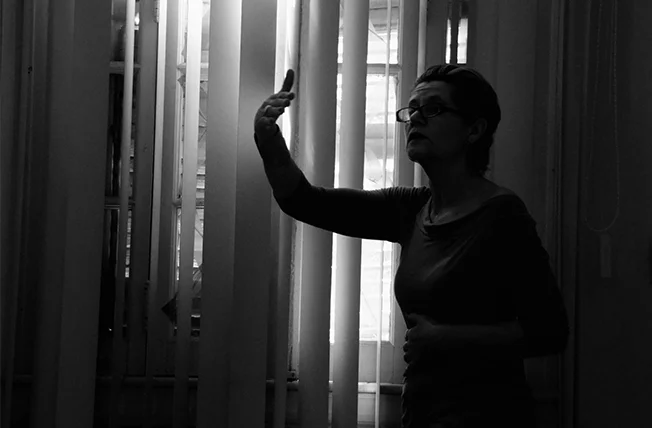
After a long pause, during which she worked more in the community, Sue is now developing POETIZÁNDOME , the third Quiet Nights project. It celebrates Cuban poetry in song and sound, from written verse to street calls and children’s rhymes, and asks what poetry can be. More on each project below.
SONGS IN PROGRESS
El Ciervo Encantado
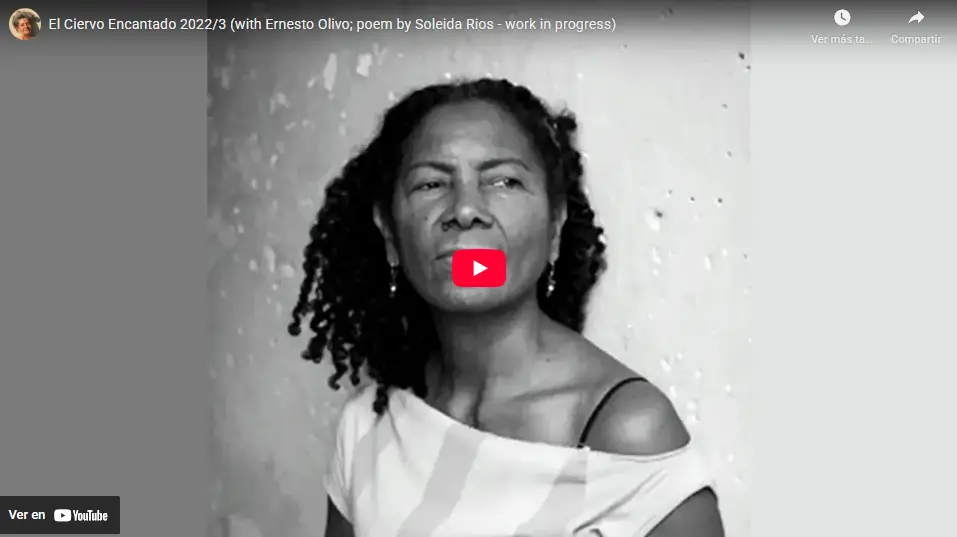
THE POEM: In 2022 Cuban poet Soleida Rios granted me permission to work with her poem, El Ciervo Encantado. Named after the 2010 play by Nelda Castillo Soleida’s poem contains 70 single words. Each begins with ‘des’ (ie. desnutridos – malnourished; descolgados – disconnected) conveying the deep impact this play had on her.
THE SONG: The challenge for me lies in how to take the listener on a journey of reflection rather than into a boxing ring of words. The words are very strong but – like any words – can be read and heard in diverse ways. I am collaborating here with Cuban composer/pianist Ernesto Oliva and we have begun to create what I think will be an medatative but powerful mix of choir, trumpet and spoken voice.
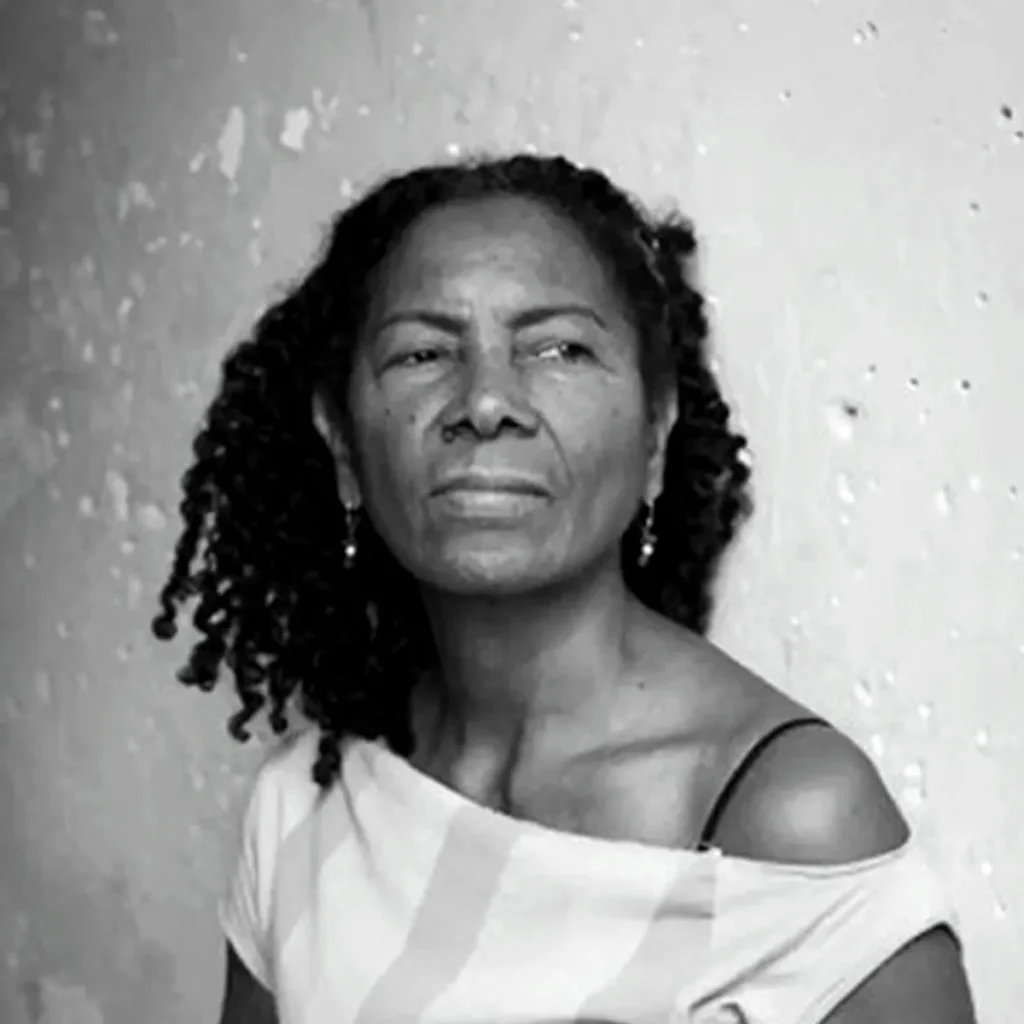
Soleida Rios (1950): Born in the eastern city of Santiago de Cuba Soleida Rios is one of the island’s most acclaimed poets. she has been described as »a poet committed to the struggle for equality…” and her work – feminist, Afro-centric – draws amply from Afro-Cuban traditions as well as other diverse sources. She is the recipient of major literary awards and was recognized with the Cuban National Critics Literary Award in 2014.
In 2024 Soleida realised a decades-long dream to create a digital archive of Cuban poetry – Sinsonte (https:/archives.cult.cu) – a work in loving progress.
De Otro Modo
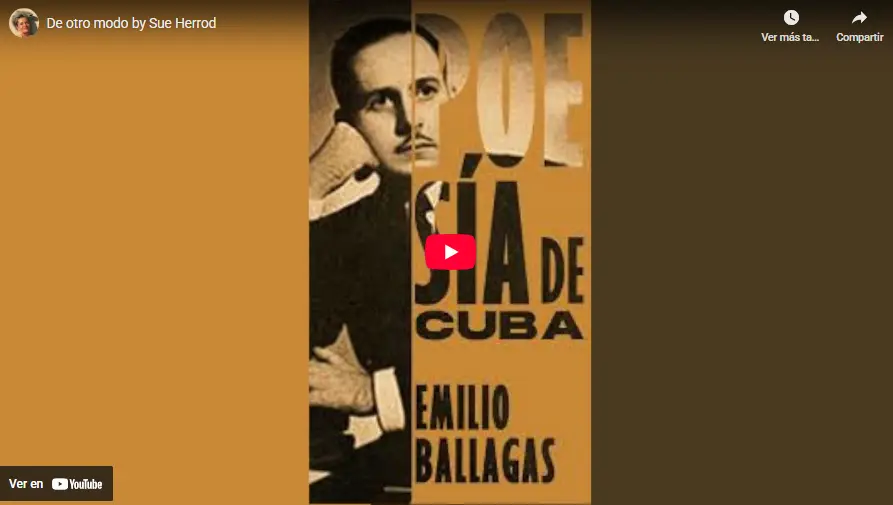
THE POEM: In the tender but impassioned poem De Otro Modo Ballagas entreats us to dream of another way of seeing things, of being, of living:
If instead of being like this,
if things facing backwards (fixed for centuries)
were turned forward
and things in front (immutable)
turn their backs,
and the right became left
and the left right…
I don’t know how to say it!
Dream it
like a dream behind the dream,
a dream not yet dreamed…
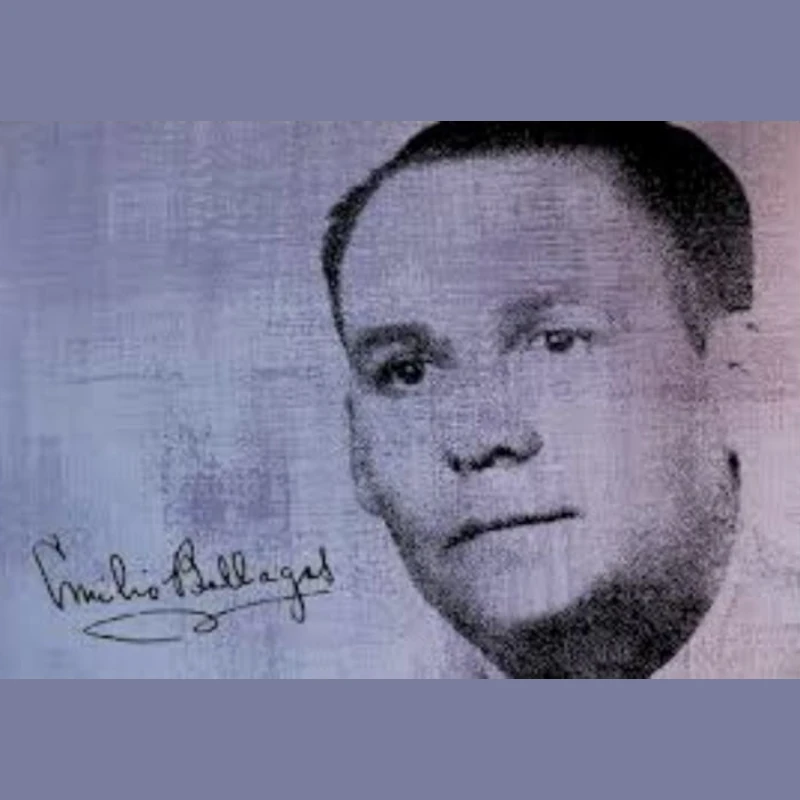
THE SONG: Although Ballagas ended his poem by imploring his lover never to say “never”, affirming that he would:
“…When I’m alone I’ll say it quietly, whisper, softened crying..” it was the hopeful joy I read – about all difference, all marginalised, all things hidden – which more inspired the waltz and buoyant style I chose for the song.
Emilio Ballagas (1908-1954): Ballagas wrote several books and poetry collections, was a Doctor in Philosophy and Letters, a university professor and dedicated teacher. He was bi-racial and one of the first Cuban poets to introduce Afro-Cuban literature and themes in his works (Black Poetry Notebook, 1934: Anthology of Hispano-American Black Poetry, 1935). He obtained the National Poetry Prize (Cuba, 1953).
What is widely considered to drive much of his work was far less celebrated. His homosexuality was known yet largely hidden and negated during his lifetime, but his poetry is full of homoerotic expression and powered by the weight of longing and anguish related to this.
Humanidad
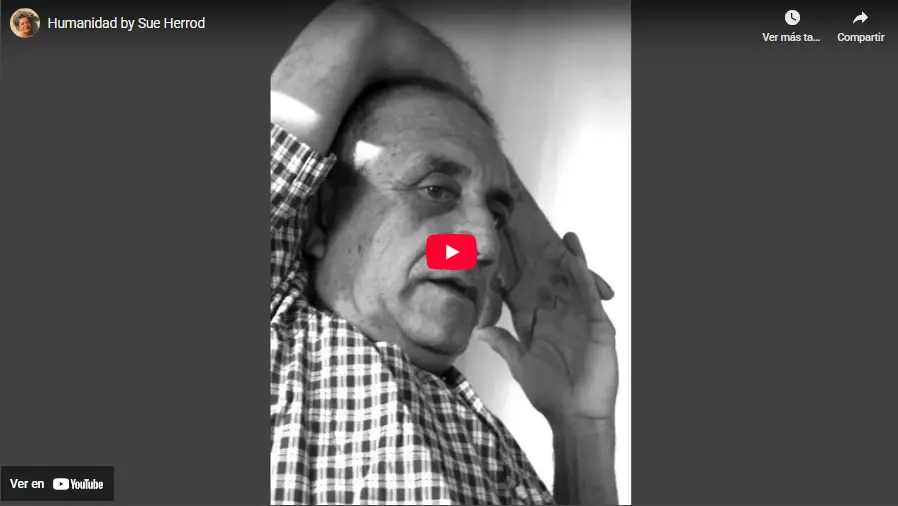
THE POEM: Delfin Prats granted me permission to set his poem to music in 2024. He published the work in 1968 during the early years of heavy artistic censorship on the island. The poem expresses belief in the existence of humanity, found in simplicity and ritual.
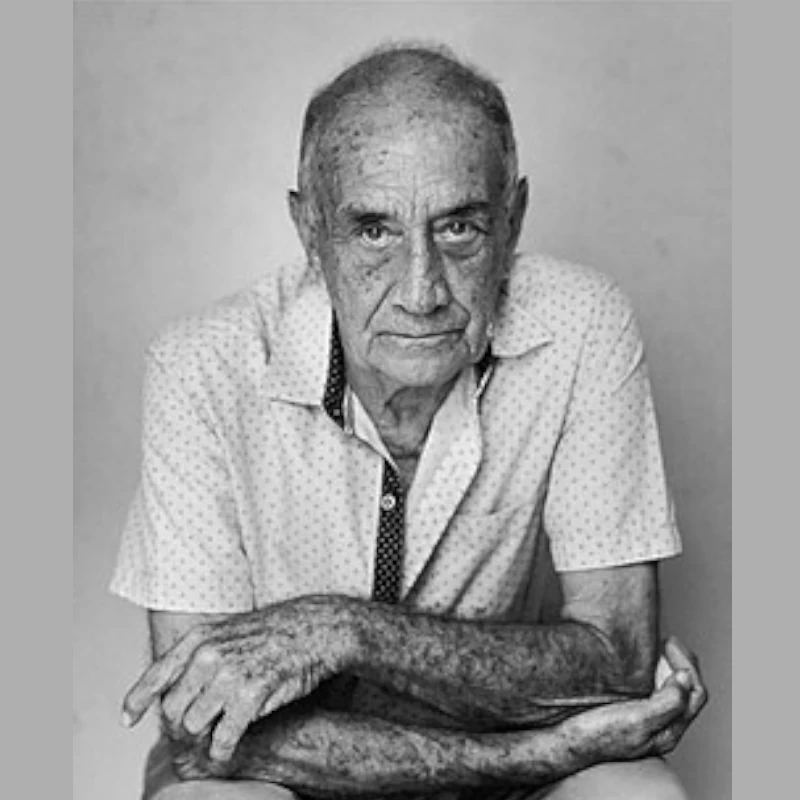
THE SONG: I was very drawn to this tender portrayal and celebration of a particular way of life – a life full of the small things, of traditions and daily routines – and its belief that humanity is found there, in this simplicity. This inspired the slow, quiet and meditative mood of the song.
Delfin Prats Pupo (1945-): Prats’ work is known for its fine detail, sensuality, introspection and lyricism. During the 1960’s his openly homoerotic work and style was censored and he did not publish again in Cuba until 1987 when he was awarded the National Critics’ Prize. Given his years of censorship some were critical when he accepted the prestigious National Literature Prize in 2022. But Prats always made clear that he was not willing to be claimed by others as a poet of opposition:
‘With the years you learn that you don’t have to dissent ….the poet only has to take care of the words’
El Pie de Coco y Guayaba
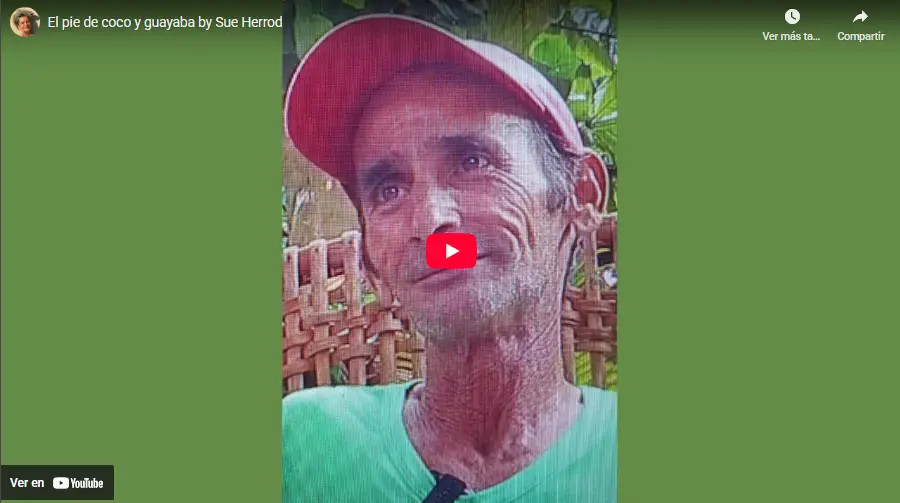
THE PREGON: El Pie de Coco y de Guayava is one of hundreds of lively, rhythmic and traditional street-selling calls (pregones) which are still heard on a daily basis and remain an important part of Cuban cultural and musical heritage. (The pies are delicious – especially the guayava ones!).
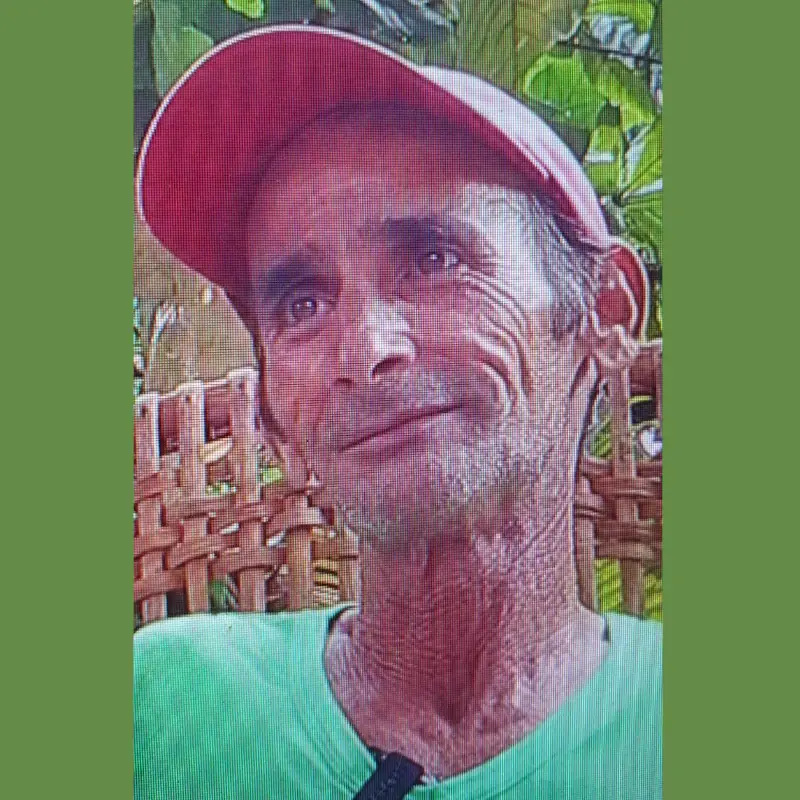
THE PREGON: El Pie de Coco y de Guayaba is one of hundreds of lively, rhythmic and traditional street-selling calls (pregones) which are still heard on a daily basis and remain an important part of Cuban cultural and musical heritage. (The pies are delicious – especially the guayava ones!).
THE SONG: I chose this particular pregon as its seller, Tomas, worked the streets of my neighbourhood. With his permission we interviewed him in his finca and there he told us the tragic story of his workmate, William, who had recorded the pregon. William had taken his own life after struggling with drinking and gambling. But Tomas’s story is also one of friendship, support and the joy of this simple, but productive work. I am taking taking Williams pregon, Tomas’s story and, using the video footage, setting it to choir. Three sellers now use William’s pregon as a homage to the man and to their friendship.
El pie de coco y de guayaba, el original, de coco y de guayaba.
El rico pie de coco y de guayaba, el original
Gracias por comprarme!
De que Callada Manera (from the song by Pablo Milanés)
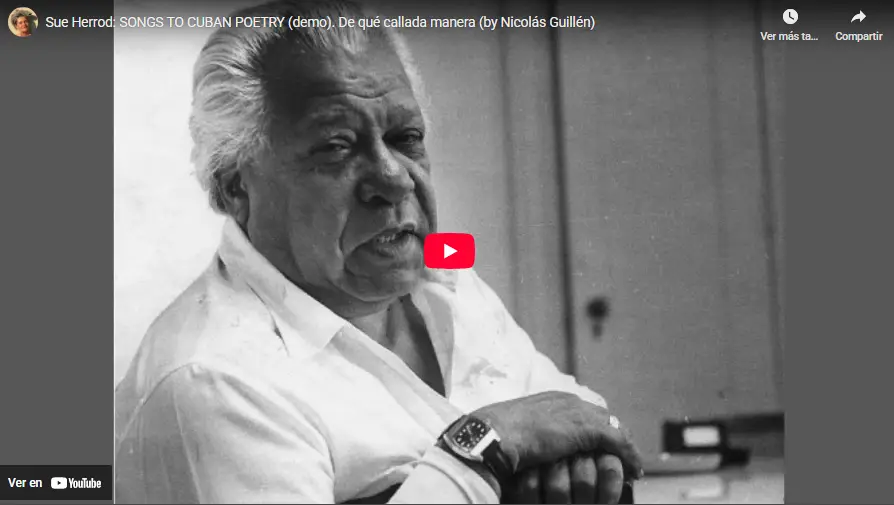
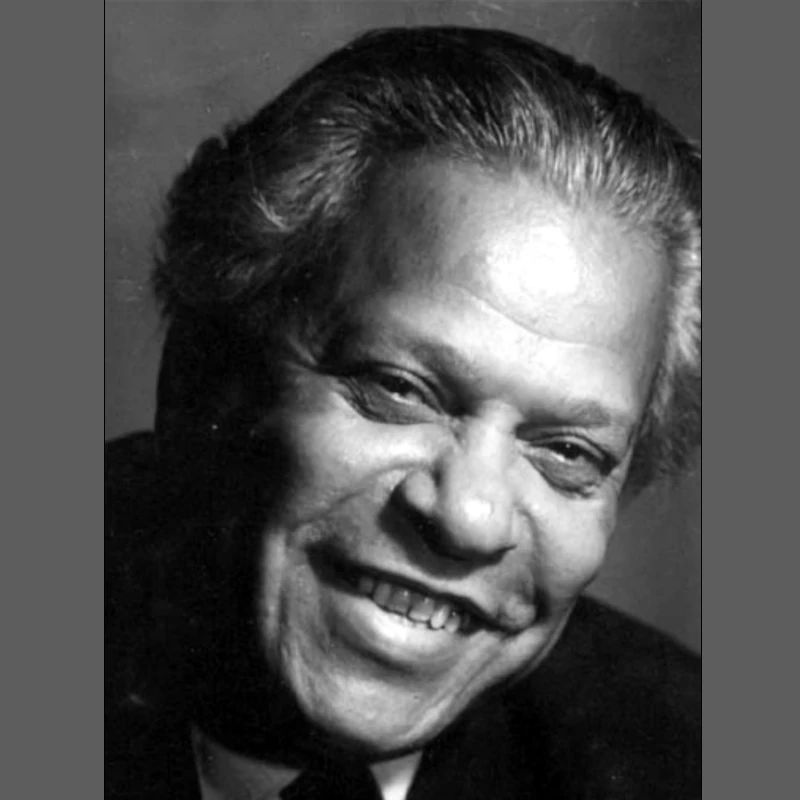
THE POEM: Written in 1964, when Guillen was 62, the poem is an intimate meditation on the fraglity and impermanence of love: the younger lover as la primeravera (Spring), the older Guillen muriendo (dying, in the Autumn of life).
THE SONG: In 1975 Pablo Milanes – one of Cuba’s most beloved singer-songwriters – interpreted the poem in an up-beat, trova/son style. I more experienced it’s tender fragility and chose a slow, gentle lullaby accompanying this with a barely-audible bass, Habanera (contradanza) style.
Nicolas Guillen (1902-89): Inspired by the poetry of African-American, Langston Hughes, Guillen emerged as one of the leaders of the Afrocubanismo movement for social change and justice. He supported Republicans in the Spanish Civil War, joined the Communist Party on his return to Cuba but was later exiled from the island during Batista’s rule in the 1950’s.
The influence of his bi-racial Spanish/African background drove his style of writing and various were structured as popular songs. He became a prominent voice of the new, revolutionary Cuba and was designated Cuba’s national poet by Fidel Castro. His pro-revolutionary views were controversial for younger activists from the late 1980’s onwards but he remained loyal until his death in 1989.
Sapphics
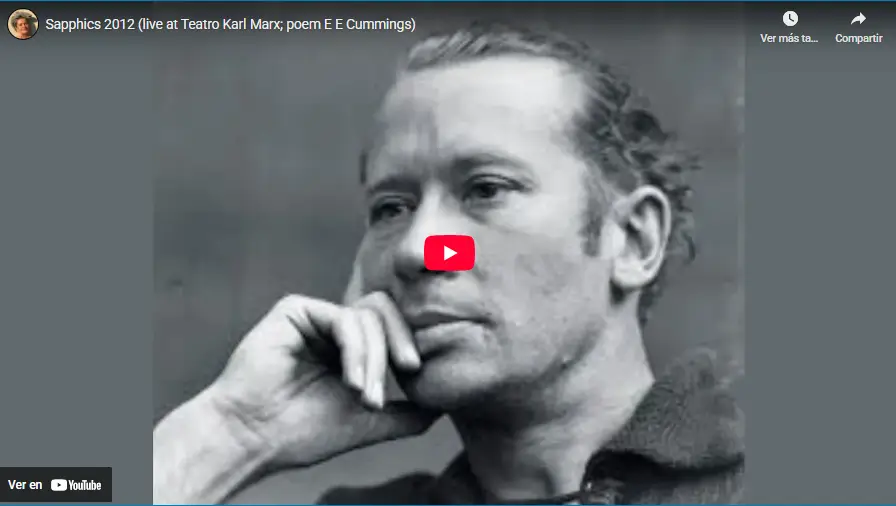
THE POEM: Cummings dedicated this poem – one of his most celebrated – to his first wife, Elaine Orr. Written when he was only 22 the poem nevertheless explores the hope that on producing ‘fair poems’‘ death (his ‘stride into sunset’ ) will be noble, sweeter.
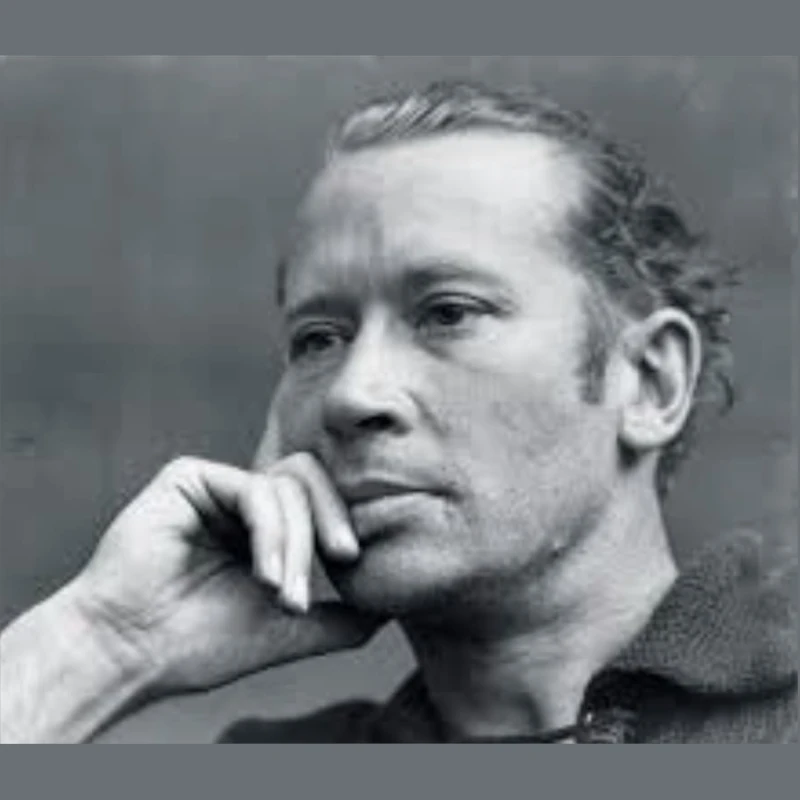
THE SONG: This poem was part of the last Quiet Nights concert and is one of only two poems chosen that are not Cuban. I composed a very simple, low and repeating piano motif to express the solemn poignancy of this work then added a single violin, then cello line, to accompany the second stanza. This recording is from the live 2012 concert and sung here by myself.
Estlin Edward Cummings (1894-1962) is regarded as one of the most important North American poets of the 20th century. His work is marked by his innovative use of language-breaking conventional grammar and syntax, using lowercase letters, unusual spacing and visual arrangement, punctuation and form. Despite his experimental style, Cummings frequently explored universal themes of love, nature, individuality, and the human spirit. His tone ranges from whimsical and irreverent to tender and deeply lyrical, capturing both the complexity and beauty of everyday life.
Ghazal for Rain and Birds
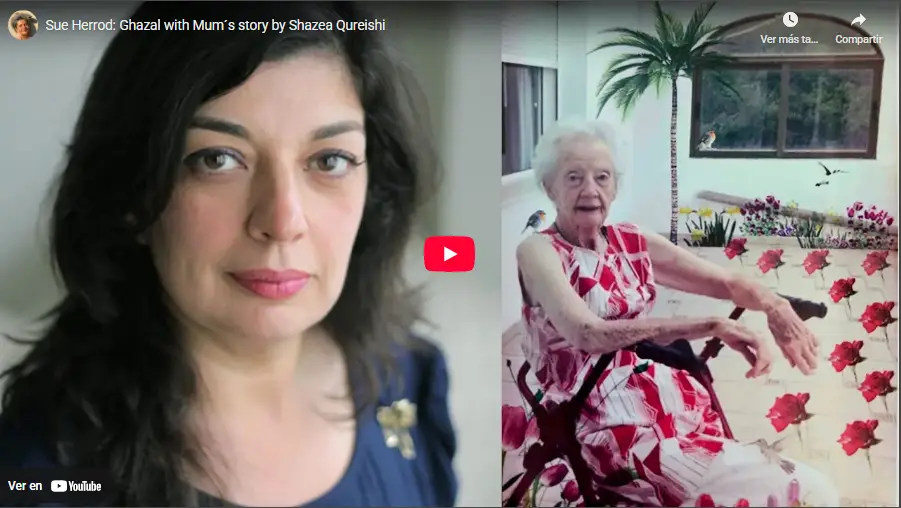
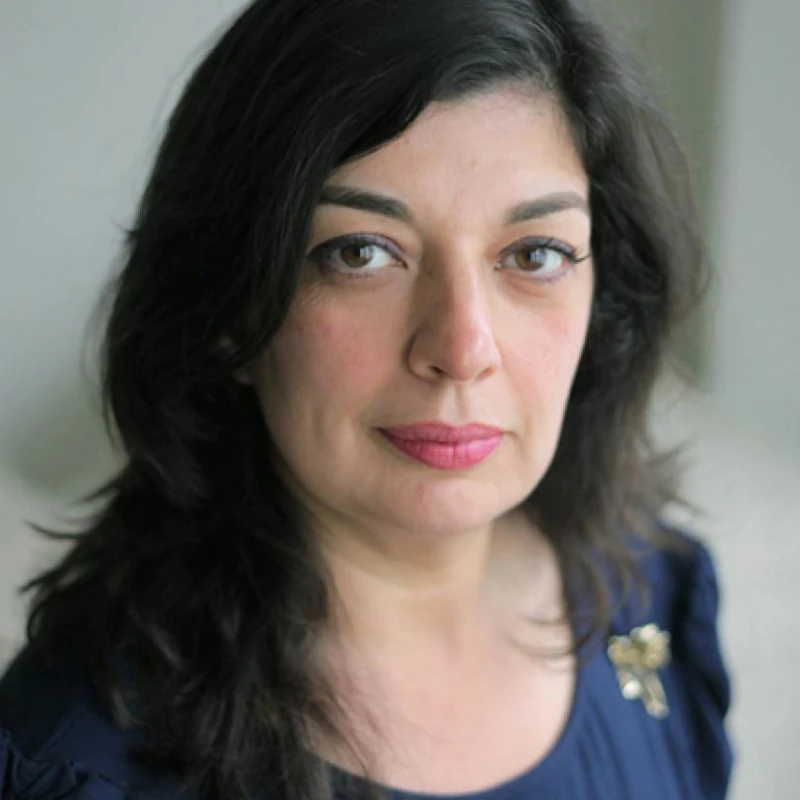
THE POEM: The Ghazal is an Arabic poetry form that adheres to 2 major rules: the poem must contain five or more two-line stanzas plus a rhyme or repeated refrain. This particular ghazal was reworked for me by Pakistani-Canadian poet, and dear friend, Shazea Qureishi, on hearing of my mother’s death in 2019.
THE SONG: Working on piano then vocal processor what emerged was an ametric, short, free-time song which became 3: a song to the poem; vocalised key words from the poem; those key words below the spoken story of my mothers death and being gifted this Ghazal.
Shazea Qureishi (1964 -) is a Pakistani-born Canadian poet and translator based in London. She has published four books of her work and other poems have been widely published both in the UK and USA. Shazea runs an online writing workshop programme (Poetry Studio), is an associate of Living Word, has worked widely with English PEN and is one of the judges of the Pen Heaney Prize 2024.
Critics and readers consistently highlight the elegant, meticulous and measured tone of the poet’s work, the command of form, and her sensual reclaiming of erotic and sensual perspectives where male and female perspectives are both addressed.
Canto del Esclavo
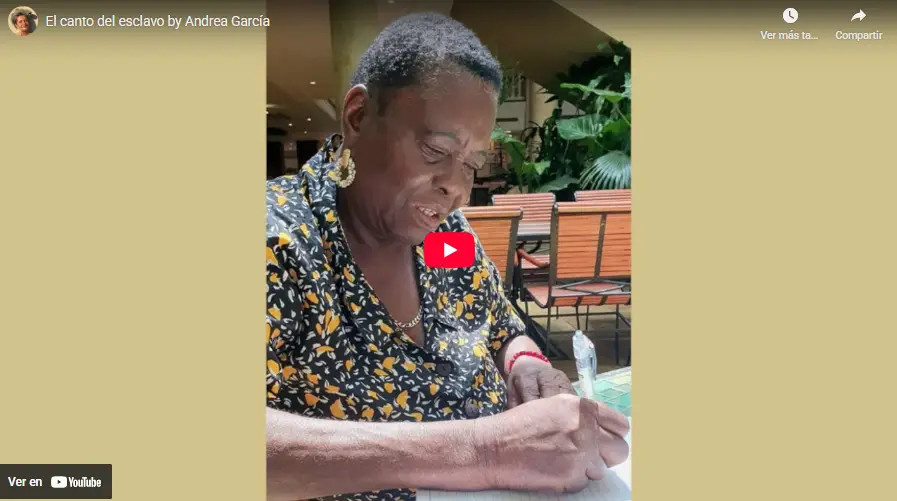
THE POEM: I first met Andrea Garcia Molina in August 2025. The idea was to chose one of her poems to set to song but she sang me this Canto and instead I asked for permission to arrange this powerful lament. It is written, and sung here, by the poet herself and tells of the tragic capture, enslavement and brutal treatment of a young Malian girl.
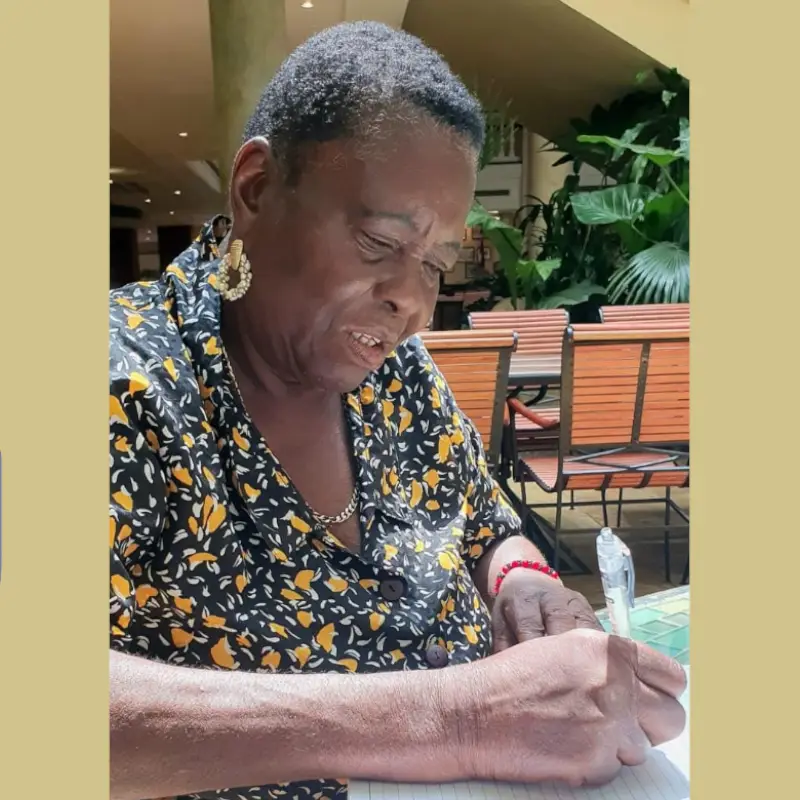
Andrea’s own great grandmother is believed to have been enslaved in Western Congo in the late 1870’s. She was transported to Cuba, had 10 children and died here, aged 84. But Andrea has no way to verify her roots through existing ships’ archives and logs as although the transportation of enslaved Africans continued into the 1890’s it was illegal after the mid 1860’s and official records were stopped. So this fierce lament is written to honour all enslaved great-grandmothers. Over 7 million African people were enslaved by colonising countries over 4 centuries. Over one million of those were brought to Cuba.
THE SONG: I first imagined I would need to use African instruments, rhythms, percussion and write with much chordal dissonance and complexity. But the more Andrea and I talked the more I felt my job was to ‘hold’, balance and create a quiet space for the painful story Andrea was telling. The more fierce and emotional her words the more contained and sparse became the music. The arrangement here is for string quartet but our collaboration is ongoing and we investigate Andrea’s ancestry we are talking about how we might extend the Canto into a larger work which would be part of exploring particular aspects of the history and present of African-Cuban culture.
BORRADORES
BORRADOR: Sue is currently developing a new music project: POETIZÁNDOME. It focuses primarily on Cuban poetry, drawing from a wide range of forms and traditions – from classic written verse to spoken word, religious prayer, street calls (pregones) and children’s rhymes. The goal is to explore and celebrate Cuban poetry in song/sound, using innovative multi-media and staging effects, and inviting audiences to think more broadly and inclusively about what poetry is, or can be. Who in Cuba sees rap or a street vendor’s song as poetry? How many already cherish the art form but have never asked if it could actually change lives?
So far, Sue is working with the poetry of Nicolás Guillén, Soleida Ríos, Emilio Ballagas, Shazea Quraishi, Andrea Garcia Molina and Delfín Prats, among others. She is also keen to explore the vibrant women’s slam poetry scene and include selections from Yoruban religious texts which are so deeply rooted in Cuban spiritual life.
It’s been a few years since the last concert project. Funding is tight, teams are smaller, and many cultural spaces in Havana have closed. Happily, the excitement and hunger for experimental work remain strong among both audiences and artists. And while many artists have left – or are leaving – there’s still extraordinary young talent to work with. This project will bring together both established and emerging voices.
El Ciervo Encantado
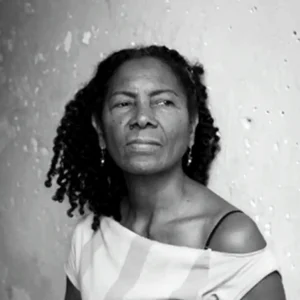
THE POEM: In 2022 Cuban poet Soleida Rios granted me permission to work with her poem, El Ciervo Encantado. Named after the 2010 play by Nelda Castillo Soleida’s poem contains 70 single words. Each begins with ‘des’ (ie. desnutridos – malnourished; descolgados – disconnected) conveying the deep impact this play had on her.
THE SONG: The challenge for me lies in how to take the listener on a journey of reflection rather than into a boxing ring of words. The words are very strong but – like any words – can be read and heard in diverse ways. I am collaborating here with Cuban composer/pianist Ernesto Oliva and we have begun to create what I think will be an medatative but powerful mix of choir, trumpet and spoken voice.
Soleida Rios (1950): Born in the eastern city of Santiago de Cuba Soleida Rios is one of the island’s most acclaimed poets. she has been described as »a poet committed to the struggle for equality…” and her work – feminist, Afro-centric – draws amply from Afro-Cuban traditions as well as other diverse sources. She is the recipient of major literary awards and was recognized with the Cuban National Critics Literary Award in 2014.
In 2024 Soleida realised a decades-long dream to create a digital archive of Cuban poetry – Sinsonte (https:/archives.cult.cu) – a work in loving progress.
De Otro Modo
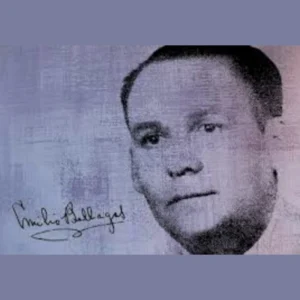
THE POEM: In the tender but impassioned poem De Otro Modo Ballagas entreats us to dream of another way of seeing things, of being, of living:
If instead of being like this,
if things facing backwards (fixed for centuries)
were turned forward
and things in front (immutable)
turn their backs,
and the right became left
and the left right…
I don’t know how to say it!
Dream it
like a dream behind the dream,
a dream not yet dreamed…
THE SONG: Although Ballagas ended his poem by imploring his lover never to say “never”, affirming that he would:
“…When I’m alone I’ll say it quietly, whisper, softened crying..” it was the hopeful joy I read – about all difference, all marginalised, all things hidden – which more inspired the waltz and buoyant style I chose for the song.
Emilio Ballagas (1908-1954): Ballagas wrote several books and poetry collections, was a Doctor in Philosophy and Letters, a university professor and dedicated teacher. He was bi-racial and one of the first Cuban poets to introduce Afro-Cuban literature and themes in his works (Black Poetry Notebook, 1934: Anthology of Hispano-American Black Poetry, 1935). He obtained the National Poetry Prize (Cuba, 1953).
What is widely considered to drive much of his work was far less celebrated. His homosexuality was known yet largely hidden and negated during his lifetime, but his poetry is full of homoerotic expression and powered by the weight of longing and anguish related to this.
Humanidad
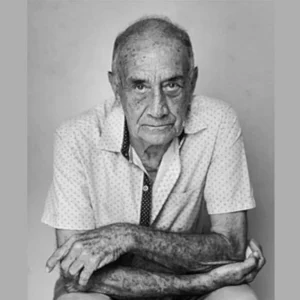
THE POEM: Delfin Prats granted me permission to set his poem to music in 2024. He published the work in 1968 during the early years of heavy artistic censorship on the island. The poem expresses belief in the existence of humanity, found in simplicity and ritual.
THE SONG: I was very drawn to this tender portrayal and celebration of a particular way of life – a life full of the small things, of traditions and daily routines – and its belief that humanity is found there, in this simplicity. This inspired the slow, quiet and meditative mood of the song.
Delfin Prats Pupo (1945-): Prats’ work is known for its fine detail, sensuality, introspection and lyricism. During the 1960’s his openly homoerotic work and style was censored and he did not publish again in Cuba until 1987 when he was awarded the National Critics’ Prize. Given his years of censorship some were critical when he accepted the prestigious National Literature Prize in 2022. But Prats always made clear that he was not willing to be claimed by others as a poet of opposition:
‘With the years you learn that you don’t have to dissent ….the poet only has to take care of the words’
El Pie de Coco y de Guayava
THE PREGON: El Pie de Coco y de Guayava is one of hundreds of lively, rhythmic and traditional street-selling calls (pregones) which are still heard on a daily basis and remain an important part of Cuban cultural and musical heritage. (The pies are delicious – especially the guayava ones!).
THE SONG: I chose this particular pregon as its seller, Tomas, worked the streets of my neighbourhood. With his permission we interviewed him in his finca and there he told us the tragic story of his workmate, William, who had recorded the pregon. William had taken his own life after struggling with drinking and gambling. But Tomas’s story is also one of friendship, support and the joy of this simple, but productive work. I am taking taking Williams pregon, Tomas’s story and, using the video footage, setting it to choir. Three sellers now use William’s pregon as a homage to the man and to their friendship.
El pie de coco y de guyava, el original, de coco y de guyava.
El rico pie de coco y de guyava, el original
Gracias por comprarme!
De Que Callada Manera
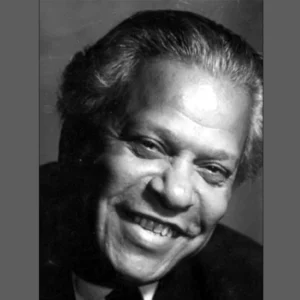
De que Callada Manera (from the song by Pablo Milanes)
THE POEM: Written in 1964, when Guillen was 62, the poem is an intimate meditation on the fraglity and impermanence of love: the younger lover as la primeravera (Spring), the older Guillen muriendo (dying, in the Autumn of life).
THE SONG: In 1975 Pablo Milanes – one of Cuba’s most beloved singer-songwriters – interpreted the poem in an up-beat, trova/son style. I more experienced it’s tender fragility and chose a slow, gentle lullaby accompanying this with a barely-audible bass, Habanera (contradanza) style.
Nicolas Guillen (1902-89): Inspired by the poetry of African-American, Langston Hughes, Guillen emerged as one of the leaders of the Afrocubanismo movement for social change and justice. He supported Republicans in the Spanish Civil War, joined the Communist Party on his return to Cuba but was later exiled from the island during Batista’s rule in the 1950’s.
The influence of his bi-racial Spanish/African background drove his style of writing and various were structured as popular songs. He became a prominent voice of the new, revolutionary Cuba and was designated Cuba’s national poet by Fidel Castro. His pro-revolutionary views were controversial for younger activists from the late 1980’s onwards but he remained loyal until his death in 1989.
Sapphics
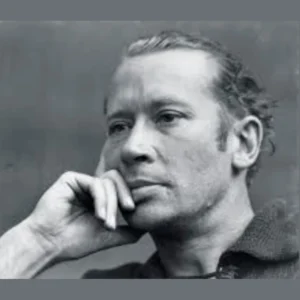
THE POEM: Cummings dedicated this poem – one of his most celebrated – to his first wife, Elaine Orr. Written when he was only 22 the poem nevertheless explores the hope that on producing ‘fair poems’‘ death (his ‘stride into sunset’ ) will be noble, sweeter.
THE SONG: This poem was part of the last Quiet Nights concert and is one of only two poems chosen that are not Cuban. I composed a very simple, low and repeating piano motif to express the solemn poignancy of this work then added a single violin, then cello line, to accompany the second stanza. This recording is from the live 2012 concert and sung here by myself.
Estlin Edward Cummings (1894-1962) is regarded as one of the most important North American poets of the 20th century. His work is marked by his innovative use of language-breaking conventional grammar and syntax, using lowercase letters, unusual spacing and visual arrangement, punctuation and form. Despite his experimental style, Cummings frequently explored universal themes of love, nature, individuality, and the human spirit. His tone ranges from whimsical and irreverent to tender and deeply lyrical, capturing both the complexity and beauty of everyday life.
Ghazal for Rain and Birds
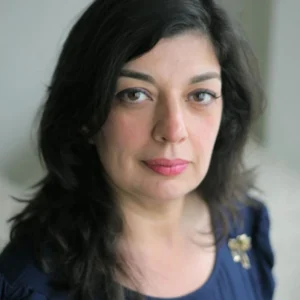
THE POEM: The Ghazal is an Arabic poetry form that adheres to 2 major rules: the poem must contain five or more two-line stanzas plus a rhyme or repeated refrain. This particular ghazal was reworked for me by Pakistani-Canadian poet, and dear friend, Shazea Qureishi, on hearing of my mother’s death in 2019.
THE SONG: Working on piano then vocal processor what emerged was an ametric, short, free-time song which became 3: a song to the poem; vocalised key words from the poem; those key words below the spoken story of my mothers death and being gifted this Ghazal.
Shazea Qureishi (1964 -) is a Pakistani-born Canadian poet and translator based in London. She has published four books of her work and other poems have been widely published both in the UK and USA. Shazea runs an online writing workshop programme (Poetry Studio), is an associate of Living Word, has worked widely with English PEN and is one of the judges of the Pen Heaney Prize 2024.
Critics and readers consistently highlight the elegant, meticulous and measured tone of the poet’s work, the command of form, and her sensual reclaiming of erotic and sensual perspectives where male and female perspectives are both addressed.